Nectar of Power and Greek mythology: Zeus, Aphrodite, and the drink itself
CT Interactive describes this game as a journey into the legendary world of ancient Greece, and for once the description is literal rather than decorative: the theme reaches into the paytable, into the two special symbols and into the way the screen is laid out. This page is about what the setting is actually made of, and about one thing the name does to a British reader.
Ancient Greece is the most crowded theme in the slot business. That makes the question worth asking directly: what does this particular game do with it, and what does it leave to every other title on the shelf?
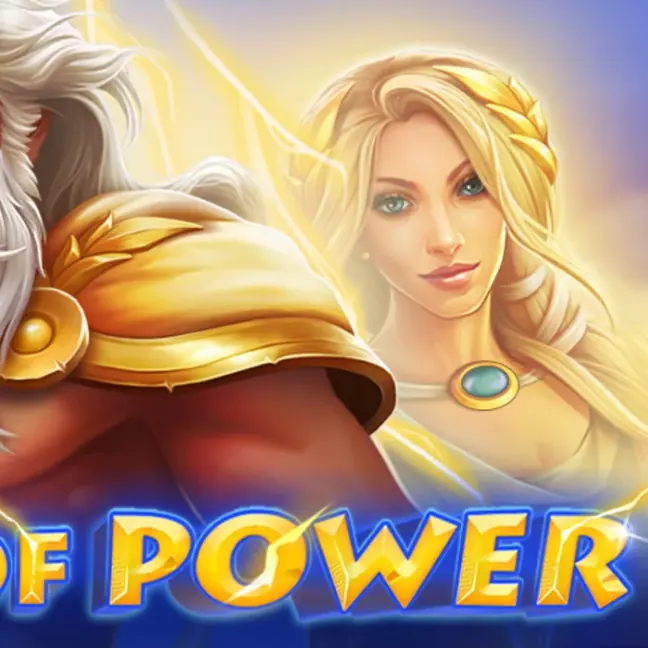
The setting the studio describes
CT Interactive opens its own note on the game with the legends: gods, mythical treasures and divine forces that shaped the world. What it then builds on that is deliberately restrained. There is no quest, no map, no sequence of levels and no character you follow from one feature to the next. The myth is an atmosphere rather than a plot, and the mechanics sitting inside it are the ordinary parts of a line-pay slot: a grid, fixed lines, a wild, a scatter, a free-games round and a cascade.
That restraint is unusual enough to be worth naming. A great many Greek slots use the theme as a licence for a feature that has nothing to do with the myth, and the result is a game where the gods are stickers on a machine. Here the connection is tighter and much simpler: divine power is shown as light, light comes off the nectar, and the nectar is the symbol that can stand in for others. The idea and the mechanic are the same object.
The release itself came in August 2026, from the studio's online arm. The same company also makes physical cabinets under the CT Gaming name, and it publishes a product card for a machine of the same theme. That second card is where this title's most misquoted number comes from, and the untangling is on the figures page rather than here, because it is a question about numbers and not about myth.
Who and what is on the reels
The studio names the whole reel set, which is more than most studios bother to do. The low end is the card ranks: J, Q, K and A. Above them sit a fig and a bunch of grapes — food of the ancient Mediterranean rather than mythology as such — then a lyre, and at the top of the regular paytable, Aphrodite. Two symbols stand outside that order entirely: the Nectar Wild and the Zeus Scatter.
The choice of Aphrodite over the obvious candidate is the most interesting decision in the set. Zeus is not the top-paying symbol here; he is the scatter, which means his job is to open the free games rather than to form lines. Aphrodite carries the paytable instead. The practical consequence is that the screen you are hoping for and the screen that pays most are two different screens, which is not how a Greek slot usually arranges itself.
Below that, the fig and the grapes do quiet work. Fruit symbols are the oldest furniture in the business, and dropping two of them into a mythological reel set lets the game look classical and read like a traditional slot at the same time. A player who has never touched a Greek title still recognises what the middle of the paytable is for.
Ancient Greece as a theme, and what separates this one
If you have played a Greek slot in the last few years, it was almost certainly a tall grid that pays wherever symbols cluster, often six rows deep, with multipliers collecting in a corner. That family of games is what most people now mean by a Greek slot. This is not one of them.
Nectar of Power is a five-reel, three-row game paying on thirty fixed lines. That is a traditional frame, and it produces a different rhythm: wins are read along lines rather than counted in clusters, the screen is wide rather than tall, and there is no multiplier mechanic at all in the published feature set. The cascade is the one modern element, and even that is bolted onto the line structure rather than replacing it.
Whether that is a virtue depends entirely on what you came for. A short grid with fixed lines is easier to read and gives up the enormous ceilings that tall cluster grids advertise — and the ceiling here, 500x the total bet from the studio's own pages, is modest by the standards of the theme. It is also one of the few published numbers about this game that comes straight from the company that built it.
Reading the artwork without losing the result
The screen has a job that pulls in two directions. Columns, gold ornament and divine figures frame the reels and carry the theme; line highlights, participating symbols and the cascade itself carry the result. If the decoration glows as brightly as the feedback, a player stops being able to tell which light means money.
The layout handles this by keeping the ornament at the edges and the symbols in the middle, which is visible in the artwork above: the figures and the architecture are a border, not a background behind the cells. On this game that matters more than usual, because a cascade is itself a piece of animation. Movement on the reels has to mean something specific — symbols leaving, symbols dropping — and permanent movement in the scenery competes with it.
The same problem returns in a harsher form on a phone, where the frame is cropped away and the grid takes the whole screen. What survives that crop, and what you lose with it, is on the page about portrait play.
A name that means something else in Britain
In Greek myth nectar is the drink of the gods, and in this game it is the wild symbol. In Britain, though, nectar is first of all a supermarket loyalty card that millions of people carry, and second a well-known piece of audio software. Say the name of this slot without the word slot in it and you will be understood to mean one of those two things.
That is the whole reason the full phrase appears on every page here: Nectar of Power, the CT Interactive slot. It is not a stylistic tic. A game whose name collides with a loyalty scheme in its own market has a practical problem, and three extra words solve it at no cost to the reader.
Questions about the setting
| Which gods appear in the game? | Aphrodite is the top symbol of the regular paytable and Zeus is the scatter. Those are the two figures the studio names; the rest of the reel set is objects rather than people. |
|---|---|
| What is the nectar meant to be? | The drink of the Greek gods. In the game it is the wild: a glowing vessel that stands in for other symbols on the middle three reels. |
| Is this the same as the other Greek slots everyone plays? | It shares the setting and almost nothing else. The best-known Greek titles are tall grids that pay anywhere; this one is a short grid paying on thirty fixed lines. |
| Why is the word slot always next to the name here? | Because in Britain the word nectar is a shop loyalty card first and a Greek drink second, and there is an audio plug-in with the name too. Three words remove the ambiguity. |
Carry on with
How the chain of states works: cascades. What the vessel and Zeus actually do: bonus symbols. The optional call after a paid screen: gamble. The published numbers, and the one that is usually wrong: figures. And the overview is on the front page.